
The Seaham sea-glass stoop
Walk along Seaham's beaches on almost any day of the year and you will spot someone moving slowly over the shingle, eyes fixed on the ground. Locals know the posture well: the sea-glass stoop.
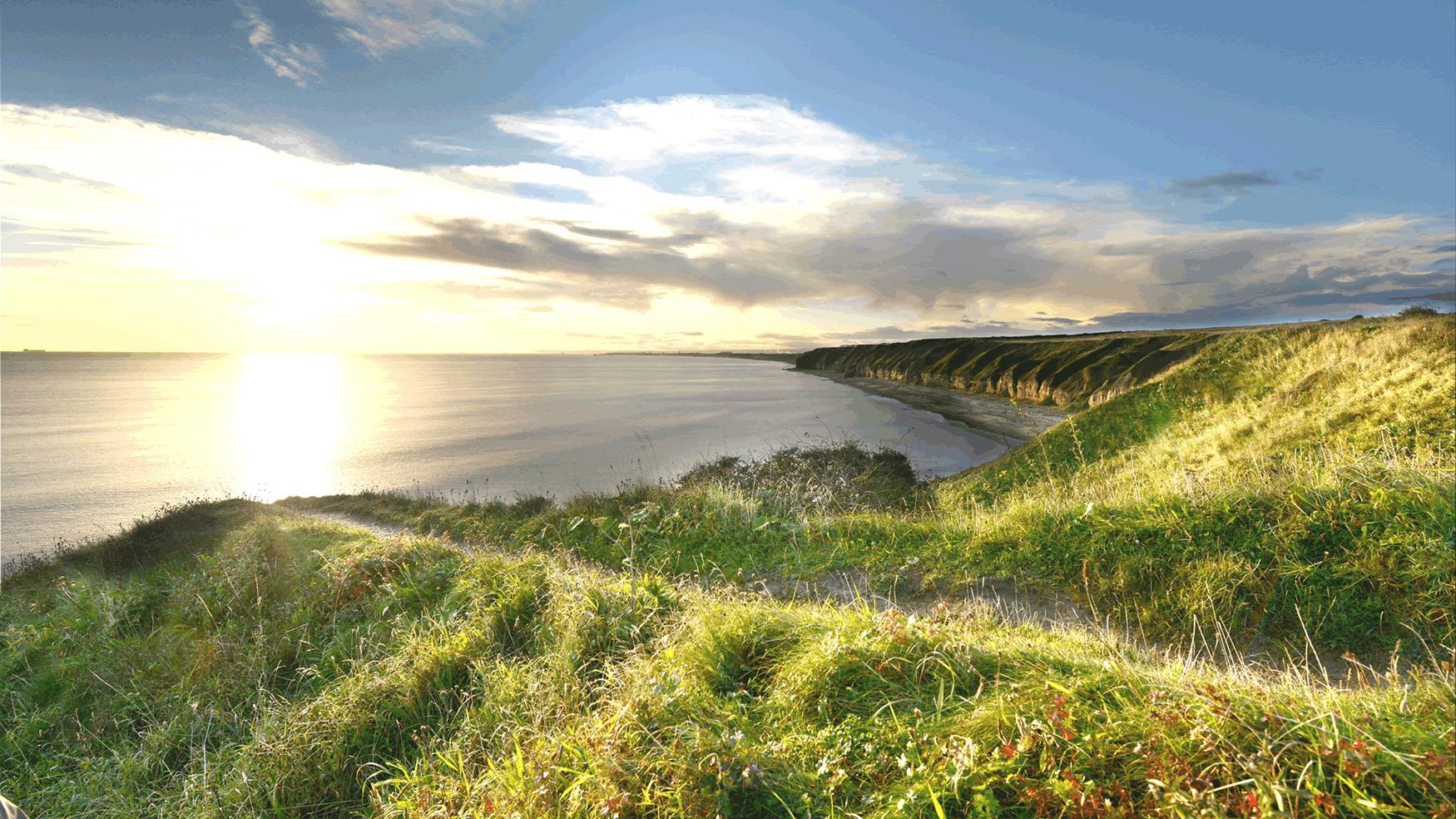
Collectors travel from across the UK and much further afield to search this stretch of the Durham Heritage Coast. What they hope to find is not simply discarded glass, but small fragments of Seaham's industrial history, shaped and softened by the North Sea.
Where the story began
From bottleworks
to beach treasure.
During the Victorian and Edwardian eras, Seaham and nearby Sunderland were important centres for glassmaking. Seaham's Londonderry Bottleworks operated from the 1850s until 1921 and was once described as Britain's largest glass bottle works.
At its height, the works produced as many as 20,000 hand-blown bottles a day, including bottles for drinks, perfumes and household products. Waste and imperfect glass were tipped into the North Sea—a practice firmly belonging to another age.
More than a century of waves, stones and sand have gradually rounded those sharp fragments. The tide now returns pieces to shore as smooth, frosted sea glass: an accidental legacy of the town's working past.
Every colour tells a story
No two pieces
are quite alike.
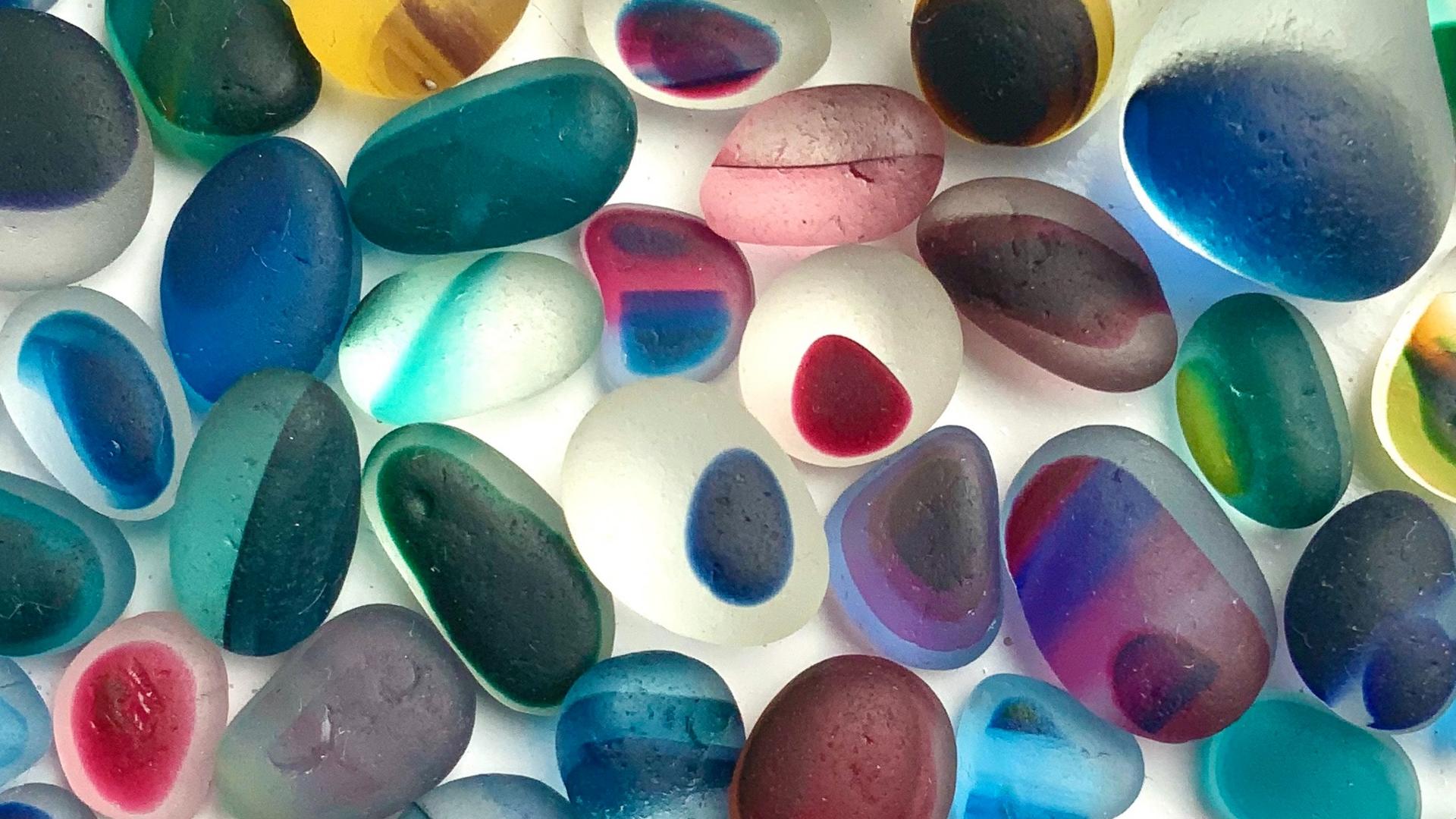
Clear and green glass are the most frequently found colours, reflecting the bottles most commonly produced. More patient or fortunate hunters may discover aqua, blue, yellow, red, pastel milk glass or even pieces containing several colours.
Finds can also include old bottle necks, sea pottery, reinforced safety glass and marbles, once used to seal bottles of fizzy drinks. Differences in colour came from the ingredients, temperature and timing used during the original glassmaking process.
Finding Seaham sea glass
Eyes down.
Tide out.
There are no guarantees that is rather the point, but a little patience and a slower pace can improve your chances.
Choose the beach
Sea glass can appear along several local beaches. Seaham Hall Beach also known as North Beach or Vane Tempest, is especially popular with collectors.
Follow the tide
Search around low tide or follow the water out after high tide. Each wave can reveal a new piece and carry another away.
Slow right down
Scan the line where shingle and sand collect, or choose a promising spot and look gently beneath the surface. The beach is rearranged by every tide.
Collect thoughtfully
Take a few favourites and leave plenty for the next hunter. Never climb unstable cliffs, and always keep an eye on the returning sea.
A small piece of Seaham
The best find is not always the rarest colour. Sometimes it is the one that catches the light at exactly the right moment.
Display your finds in a clear jar, turn them into jewellery, or simply keep one as a reminder of a walk beside the North Sea. Whatever comes home with you, the pleasure is in the search—and in knowing that every piece has travelled through more than a century of Seaham's story.
Historical background adapted from Hunting for Seaham Sea Glass, This is Durham.